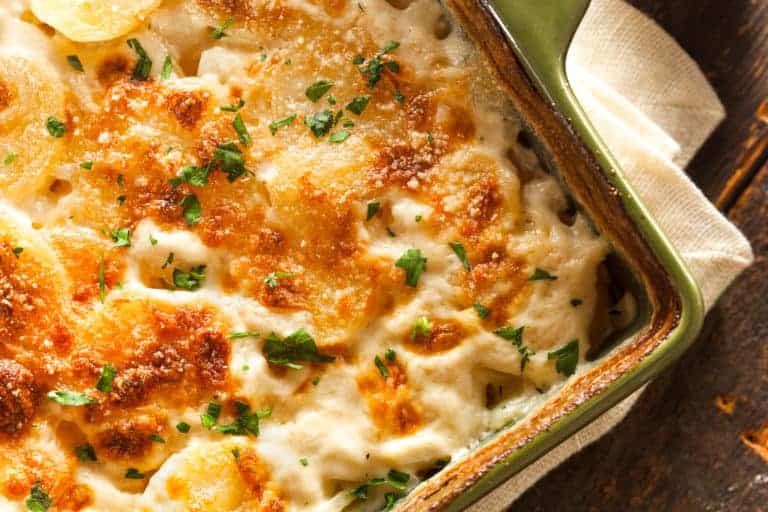
The Art of Layering and Slicing: Key to Perfect Texture in Scalloped Potatoes Au Gratin
You've mastered the basics, understand the fundamental differences, and perhaps even baked a few batches of delightful scalloped potatoes au gratin potatoes - Article 1. Now, it's time to elevate your game. The journey to truly exceptional scalloped potatoes au gratin begins with the humble potato itself and the precision with which it’s prepared. Achieving that perfect, melt-in-your-mouth texture isn't just about the sauce; it's intricately linked to how you handle your spuds.
Choosing the Right Potato for Your Gratin
While many recipes are forgiving, selecting the ideal potato type can significantly impact the final texture of your dish. For classic scalloped potatoes au gratin potatoes, a medium-starch potato is often preferred:
- Yukon Gold: These are a fantastic all-rounder. Their waxy-starchy balance means they hold their shape well enough without becoming mushy, yet they contribute a wonderfully creamy texture. Their naturally buttery flavor also enhances the richness of the dish.
- Russet/Idaho: High in starch, these potatoes absorb the cream and cheese sauce beautifully, creating a very tender, almost mashed-potato-like consistency within the layers. They can be slightly more prone to falling apart if sliced too thin or overcooked, but they deliver that classic hearty gratin feel.
- Red or New Potatoes: While less common for traditional gratins, their waxy texture means they hold their shape exceptionally well, offering a firmer bite. They are excellent if you prefer more defined potato layers.
The Precision of Slicing: Mandoline vs. Knife
Uniformity is paramount. Whether you're aiming for delicate scalloped potatoes or robust au gratin potatoes, consistent slice thickness ensures even cooking. Uneven slices will result in some potatoes being undercooked and crunchy, while others turn to mush.
- Mandoline Slicer: This is your best friend for achieving perfectly uniform slices. It's incredibly fast and efficient. For scalloped potatoes, aim for a thickness of about 1/16 to 1/8 inch (1.5-3mm). For au gratin potatoes, you might go slightly thicker, up to 1/4 inch (6mm), to give them more bite and structure. Always use the safety guard!
- Sharp Chef's Knife: If you don't have a mandoline, a very sharp chef's knife and a steady hand can still achieve good results. Focus on slicing slowly and deliberately. You can use a ruler or visual guides to maintain consistency. Practice makes perfect.
Once sliced, pat your potato rounds dry with a clean kitchen towel or paper towels. This removes excess surface starch and moisture, preventing a gummy texture and allowing the sauce to adhere better.
Layering Techniques for Optimal Results
The layering isn't just for aesthetics; it plays a crucial role in how the dish cooks and presents. When assembling your scalloped potatoes au gratin potatoes:
- Grease Your Dish: A well-greased baking dish prevents sticking and aids in even browning.
- Overlap, Don't Stack: Arrange your potato slices in slightly overlapping concentric circles or rows. This allows the sauce to seep between every layer and ensures each slice gets cooked through. A common mistake is simply stacking them flat, which can lead to dense, uncooked sections.
- Season Every Layer: Don't just season the top! A light sprinkle of salt and freshly ground black pepper on each potato layer ensures a well-seasoned dish throughout. This is particularly important because potatoes are notoriously bland on their own.
- Cheese and Sauce Distribution: Distribute your cheese and sauce evenly among the layers. This ensures a rich, flavorful bite in every forkful. For a detailed look at sauce preparations, refer to scalloped potatoes au gratin potatoes - Article 2.
Unlocking Flavor Dimensions: Beyond Basic Cheese and Cream
While a simple béchamel and Gruyère cheese are undeniably delicious, the world of scalloped potatoes au gratin potatoes offers an incredible canvas for culinary creativity. Moving beyond the foundational recipe allows you to introduce nuanced flavors that truly make your dish memorable.
Elevating Your Cheese Choices
The cheese is arguably the star of many au gratin recipes. Experimenting with different cheeses or blends can dramatically alter the flavor profile:
- For a Nutty & Earthy Flavor: Combine Gruyère with Comté or Fontina. These semi-hard cheeses melt beautifully and offer deep, complex notes.
- For a Sharp & Tangy Bite: Incorporate sharp white cheddar or even a little aged Parmesan or Pecorino Romano for a salty, umami kick. Be mindful that very hard cheeses can make the sauce a bit grainy if not incorporated properly.
- For a Creamier Texture: Mild Havarti or even a bit of cream cheese (in the sauce, not as a topping) can add extra silkiness.
- Smoked Cheeses: A touch of smoked Gouda or cheddar can impart a wonderful smoky depth, pairing exceptionally well with ham or bacon additions.
Tip: Always grate your own cheese. Pre-grated cheeses often contain anti-caking agents that can hinder smooth melting and affect the texture of your sauce.
Aromatic Infusions for the Sauce
The cream or milk in your béchamel sauce can be a vehicle for incredible flavor. Don't just pour it in cold!
- Garlic & Onion: Sauté finely minced garlic and/or shallots gently in butter before adding flour for your roux. This builds a foundational layer of flavor.
- Herbs & Spices: Infuse your milk or cream by simmering it gently with bay leaves, fresh thyme sprigs, or a pinch of freshly grated nutmeg. Strain the milk before adding it to your roux to remove solids. Nutmeg, in particular, is a classic pairing with cream and potatoes.
- Wine or Broth: For a richer, more complex sauce, consider replacing a portion of the milk with dry white wine or a good quality chicken or vegetable broth. This adds an acidic counterpoint that brightens the rich sauce.
Incorporating Other Ingredients for Depth
Your scalloped potatoes au gratin potatoes can transform from a side dish to a hearty main course with thoughtful additions:
- Meats: Layer in crispy bacon bits, diced ham (especially good with Gruyère), or thinly sliced cooked sausage.
- Vegetables: Sautéed mushrooms, caramelized onions, or wilted spinach can add incredible depth and another layer of texture. Ensure any vegetables are relatively dry before adding to prevent a watery gratin.
- Spicy Kick: A pinch of cayenne pepper or a dash of hot sauce in the béchamel can add a subtle warmth without overpowering the other flavors.
Serving Suggestions and Menu Planning with Your Potato Dish
A perfectly baked dish of scalloped potatoes au gratin potatoes is a showstopper on its own, but knowing how to pair it with other dishes can elevate an entire meal. Its richness makes it a fantastic accompaniment, though it can also stand as the star.
Classic Main Course Pairings
The hearty and creamy nature of this potato dish makes it a natural partner for a variety of roasted and braised meats:
- Roasted Poultry: A whole roasted chicken or turkey, perhaps with herbs and lemon, is beautifully complemented by the rich potatoes. The lightness of the poultry contrasts well with the gratin's decadence.
- Beef Roasts: Prime rib, a tenderloin roast, or even a simple pot roast find a perfect match in these potatoes. The savory depth of beef is enhanced by the creamy, cheesy layers.
- Pork Dishes: Whether it's a succulent pork loin, pork chops, or a slow-cooked ham, the subtle sweetness and richness of pork harmonize wonderfully with the savory potatoes.
- Lamb: Roasted leg of lamb or lamb chops, often seasoned with rosemary and garlic, pair exquisitely with the earthy flavors of a potato gratin.
Complementary Side Dishes
Because scalloped potatoes au gratin potatoes are so rich, it's often best to pair them with lighter, brighter side dishes to balance the meal:
- Green Vegetables: Steamed or lightly roasted asparagus, green beans almandine, or sautéed broccoli rabe offer a crisp texture and a fresh, often slightly bitter, counterpoint to the creamy potatoes.
- Fresh Salads: A simple green salad with a vinaigrette dressing is ideal. The acidity of the dressing cuts through the richness of the gratin, cleansing the palate and adding a refreshing element. Think mixed greens with cherry tomatoes, cucumbers, and a lemon-herb dressing.
- Glazed Carrots: Their natural sweetness and vibrant color can add another dimension to the plate without overwhelming the palate.
Making it a Standalone Star
With the right additions, your scalloped potatoes au gratin potatoes can easily become the centerpiece of a meal:
- Add Protein: As discussed in the flavor section, incorporating ham, bacon, or even sausage turns it into a one-dish meal. Serve with a simple side salad.
- Vegetarian Focus: Layer in roasted vegetables like bell peppers, zucchini, or spinach along with the potatoes for a hearty vegetarian main.
Beverage Pairings
Selecting the right beverage enhances the dining experience:
- Wine: A rich Chardonnay (especially unoaked or lightly oaked) complements the creamy texture. For red wines, a lighter Pinot Noir or a Beaujolais can work well, providing fruitiness without overpowering.
- Beer: A crisp lager, a farmhouse ale (Saison), or even a light brown ale can be refreshing alongside the creamy dish.
- Non-Alcoholic: Sparkling water with a squeeze of lemon or lime provides a refreshing contrast.
Advanced Tips for a Flawless Finish Every Time
You've chosen your potatoes, perfected your slicing, layered with care, and infused your sauce with incredible flavors. Now, let's ensure your scalloped potatoes au gratin potatoes bake to absolute perfection, achieving that coveted golden crust and tender, creamy interior.
Preventing the Dreaded Curdled Sauce
A smooth, velvety sauce is essential. Curdling, especially when adding cheese, is a common pitfall:
- Low and Slow: When melting cheese into your béchamel, do so over low heat and add it gradually, stirring constantly. High heat can cause the proteins in the cheese to seize and clump.
- Room Temperature Cheese: Allowing your grated cheese to come to room temperature can help it melt more evenly and smoothly into the warm sauce.
- Proper Roux: A well-cooked roux (butter and flour mixture) forms the stable base for your béchamel, preventing lumps and ensuring a smooth final sauce. Cook it for a minute or two to eliminate the raw flour taste.
Achieving the Perfect Golden-Brown Crust
That irresistible bubbly, golden-brown top is a hallmark of great scalloped potatoes au gratin potatoes:
- Top with More Cheese: In the last 15-20 minutes of baking, sprinkle extra cheese (Parmesan or Gruyère are excellent choices) over the top.
- Breadcrumbs: For added texture, mix panko breadcrumbs with a little melted butter and sprinkle over the top with or without cheese during the final baking stage.
- The Broiler Trick: If your gratin is cooked through but lacks sufficient browning, pop it under a preheated broiler for 1-3 minutes. Watch it like a hawk, as it can go from golden to burnt very quickly!
Ensuring Even Cooking and Avoiding Dryness
Nobody wants a gratin that's dry on top and undercooked in the middle:
- Cover Initially: For the first 45-60 minutes of baking, cover your dish tightly with foil. This traps steam, ensuring the potatoes cook through evenly and absorb the sauce without drying out. Remove the foil for the remaining baking time to allow browning.
- Adequate Liquid: Ensure your sauce nearly covers the top layer of potatoes when you assemble the dish. The potatoes need enough liquid to cook and become tender.
- Don't Overfill: Packing too many potatoes into a dish can lead to uneven cooking. Leave a little room for the sauce to bubble up.
- Oven Temperature: Bake at a moderate temperature (usually 375°F/190°C). Too high, and the top will burn before the potatoes cook; too low, and it will take forever.
The Essential Resting Period
This is perhaps one of the most overlooked steps for perfect scalloped potatoes au gratin potatoes.
- Let it Rest: Once out of the oven, allow your gratin to rest for at least 15-20 minutes, or even up to 30 minutes. This allows the sauce to set, prevents it from being too soupy when served, and makes for cleaner slices. The residual heat will continue to cook the dish gently.
Make-Ahead and Freezing Tips
These dishes are fantastic for meal prep or entertaining:
- Make-Ahead (Refrigerate): Assemble the gratin completely, cover tightly, and refrigerate for up to 2 days. When ready to bake, let it come to room temperature for about 30-60 minutes before baking as usual, adding perhaps 15-20 minutes to the total baking time.
- Freezing: You can freeze unbaked or fully baked gratin.
- Unbaked: Assemble in a freezer-safe dish, cover tightly with foil and then plastic wrap. Freeze for up to 2 months. Thaw overnight in the refrigerator before baking.
- Baked: Allow to cool completely. Cut into individual portions or freeze the whole dish. Wrap tightly. Reheat covered in the oven until warmed through.
Mastering these advanced techniques will transform your scalloped potatoes au gratin potatoes from merely good to truly spectacular, ensuring a dish that consistently impresses with its creamy texture, rich flavor, and beautiful golden finish.
From the careful selection and slicing of potatoes to the nuanced infusion of flavors and the final critical resting period, every step plays a vital role in crafting the perfect batch of scalloped potatoes au gratin potatoes. By applying these advanced tips and embracing culinary creativity, you're not just making a side dish; you're creating a memorable experience. So go forth, experiment with confidence, and savor the rich rewards of your efforts!
